Graph Neural Networks
What is a Graph?
-
A data structure consisting of vertices (nodes, vertices) and edges (edges, links)
-
Edges can be directed or undirected
-
May contain loops (edges connecting the same vertex to itself)
-
Vertices and edges may have attributes (properties)
- There are many examples where vertices have attributes (also referred to as Feature Vectors)
-
Edges may have weights
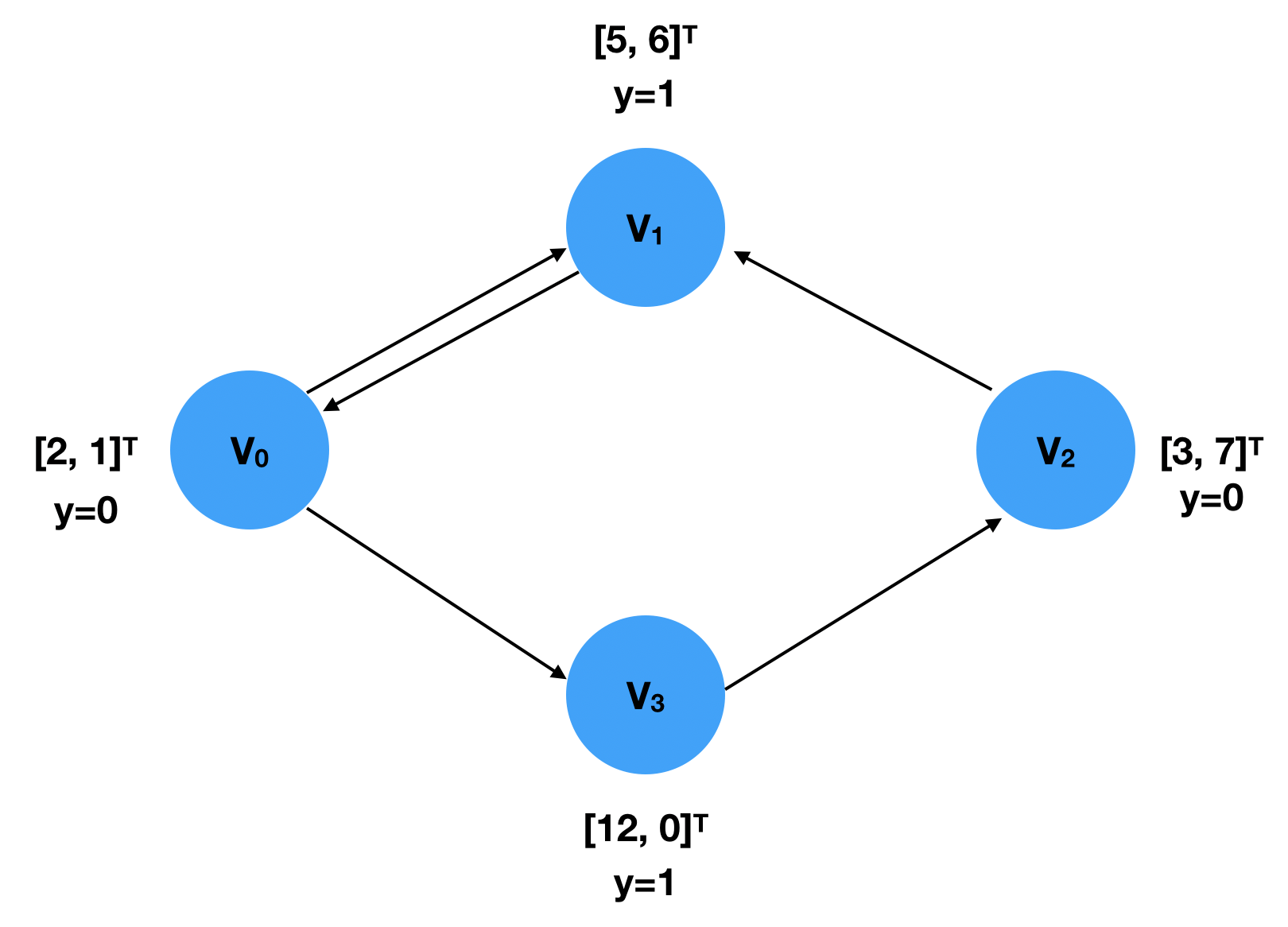
-
y is the attribute of a node
-
[2,1]^t etc. is expressed as x, the property
Examples
- Internet, Web
- Transportation networks, purchase data
- Video and music viewing history
- Paper co-authorship relationships
- Proteins
- Molecular structures
- 3D object polygon representations
- etc...
Real-World Examples Representable as Graphs
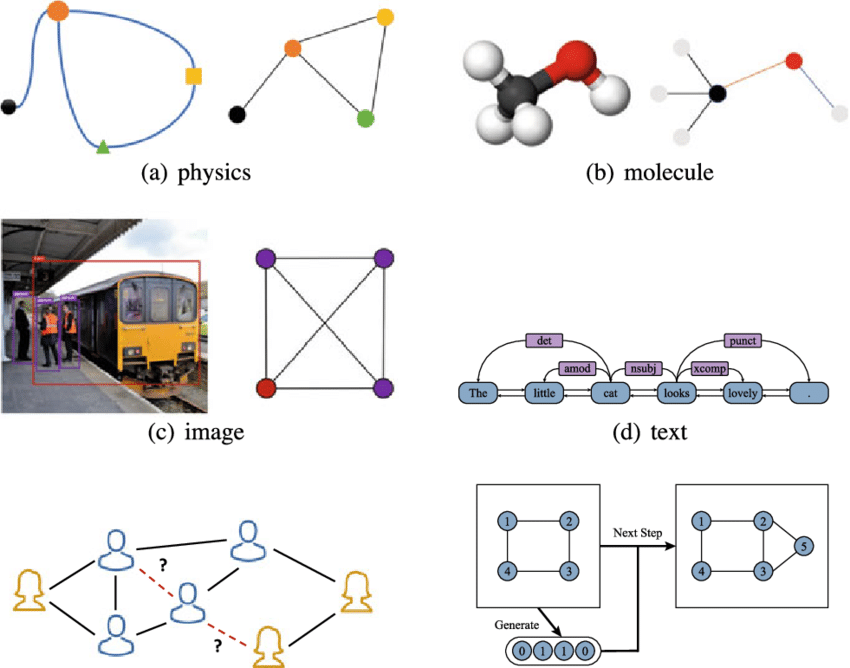
Representations for Computers to Understand Graphs
-
Adjacency matrix

-
Sparse Matrix
Application of Graphs to Deep Learning
- The rise of deep learning
-
In the image domain
-
In research: from around 2012~
-
In business: from around 2016~
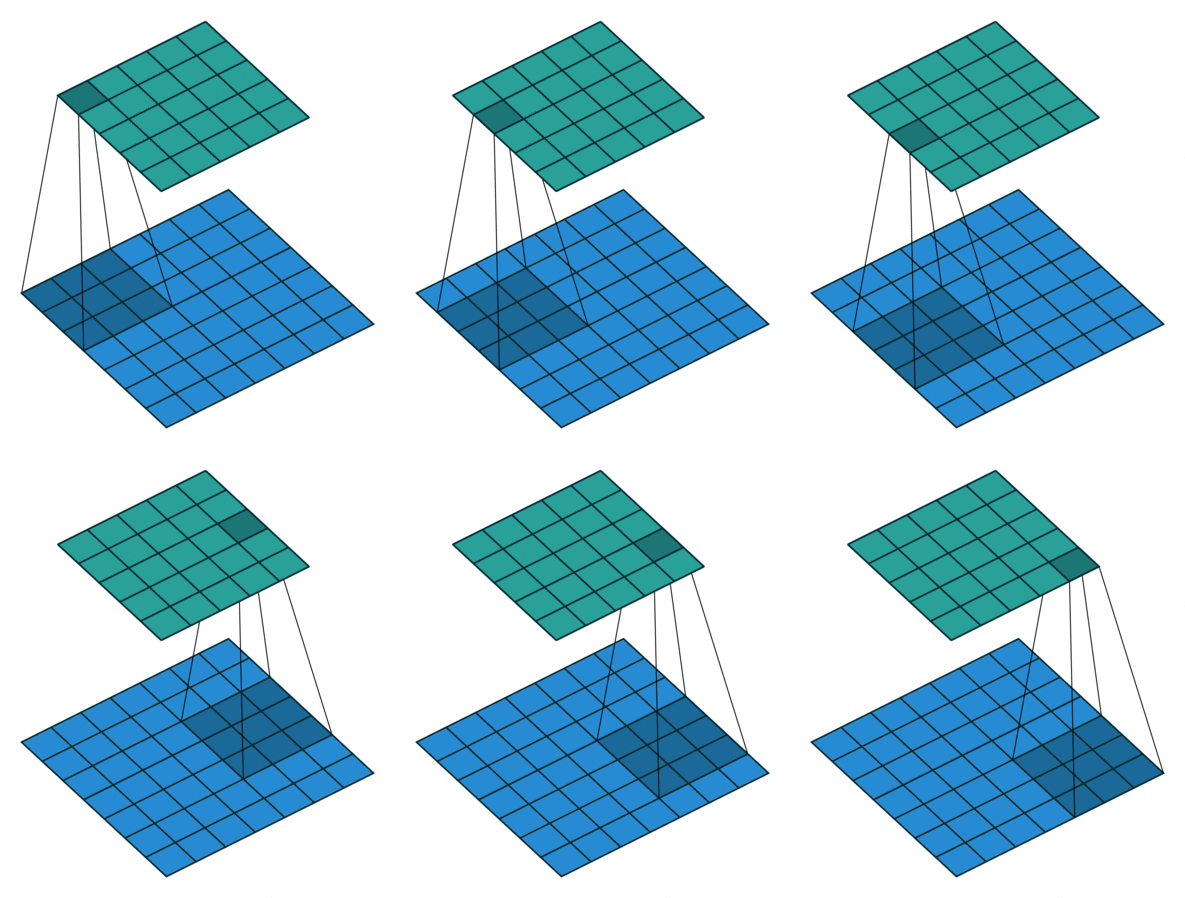
-
-
Practical business deployment begins a few years after cutting-edge research
-
History of Graph Convolution
- The Graph Neural Network Model (2009)
- Spectral Networks and Locally Connected Networks on Graphs (2013)
- The first attempt to apply CNNs to graphs
- Computational processing using Graph Fourier, with constraints such as not handling loops or multi-edges
- Graph Convolutional Networks (GCN)
-
Semi-Supervised Classification with Graph Convolutional Networks (ICRL2017)
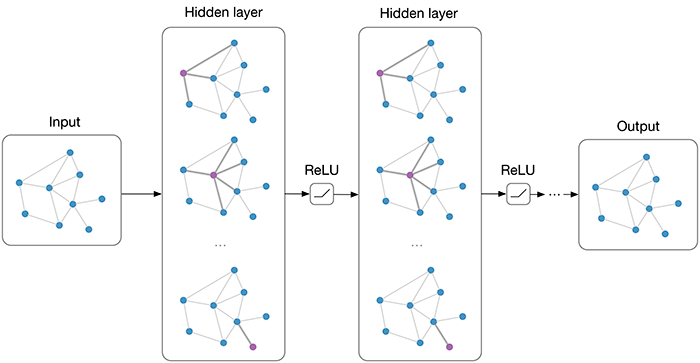
-
Removed Graph Fourier constraints and introduced simple yet high-performance GCN for graphs
-
Distributed Representation of Graphs / Graph Embedding
-
Vectorization of graphs
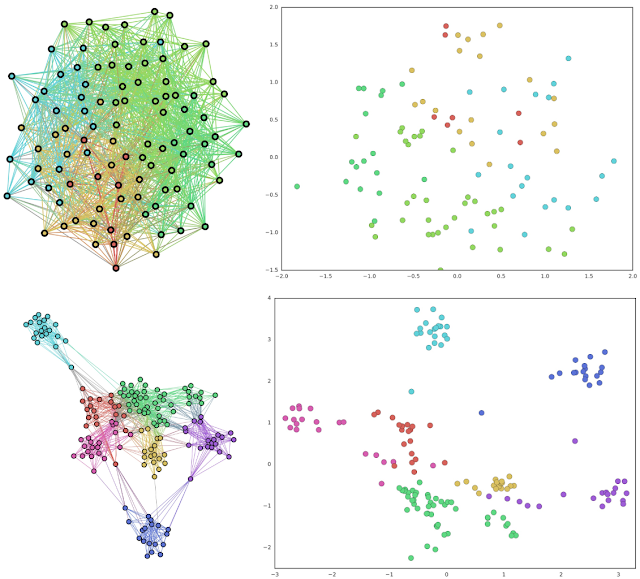
-
A technique analogous to learning distributed representations in natural language processing
Graph NN Appications
- Tasks
- Node classification
- Graph classification
- Linkage prediction
- Similarity estimation
- Reference: Graph Embedding Techniques, Applications, and Performance: A Survey
Electrical Circuit Applications
-
There have been many examples of applying graph theory to electrical circuit design
- Electrical Networks and Algebraic Graph Theory: Models, Properties, and Applications
- However, applications of deep learning were nonexistent
-
Starting in 2019, examples of applying graph neural networks to electrical circuits have emerged
Application of GCN to Electrical Circuit Design
Circuit-GNN (ICML 2019)
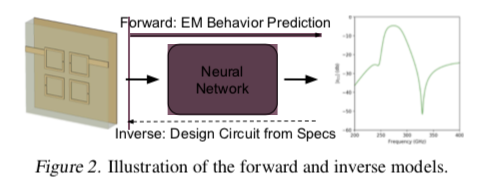
- Learned circuit parameters by reverse-engineering from EM specifications, achieving a 4-order-of-magnitude reduction in time compared to humans
- Designed a terahertz channelizer requiring expert knowledge
Fault Location in Power Distribution Systems via Deep Graph Convolutional Networks
- Estimating fault locations using GCN
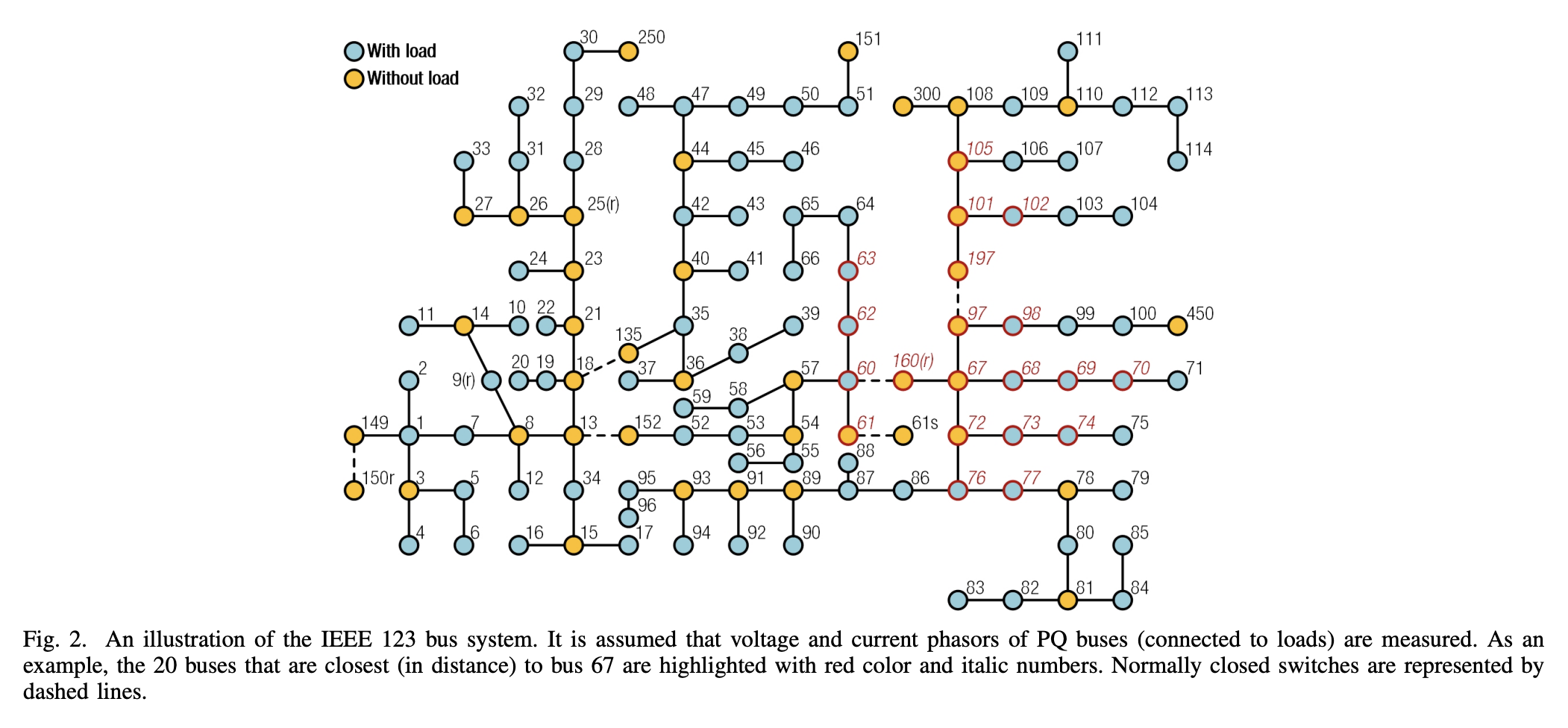
Attempt to Represent Netlists (Electronic Circuit Connectivity) Using Graph Networks
- NHigh Performance Graph Convolutional Networks with Applications in Testability Analysis
- GCN-based difficult-to-observation nodes prediction. (NVidia)
- https://research.nvidia.com/sites/default/files/pubs/2019-06_High-Performance-Graph/14_2_Ma_GCN_Testability.pdf
Current Status and Challenges of Deep Learning in the EDA Field
- With the emergence of GCN spreading deep learning to various fields, use cases in the EDA field remain few
- Given the industry workforce, it is unlikely that no one is working on it
- Assumed challenges:
- Dataset sharing is not progressing (conversely, the barrier to entry is high)
- Circuits are inherently complex, making the difficulty level high
- The latest EDA-related literature has small problem settings
- The impression is that this is still in the early exploration stage