Smarter A/B Testing
powered by Reinforcement Learning
Prerequisites
- A/B testing: A method for comparing two variations to determine which is better
- Different from gradual rollout in canary releases
- In this session, we consider an example of comparing N design variations on an e-commerce site
Standard A/B Testing
- Randomly assign users to one of A, B, ... N
- Display a different design to each group
- Compare cart-in rates after a fixed period
Problems
- How to determine the test duration (1 week? 1 month?)
- Potential for losses during the test period -> Displaying a poor design worsens conversions
Example
When redesigning a product detail page:
- A: Existing design (cart-in rate: 5%)
- B: New design (cart-in rate: ??)
Example
Potential losses from A/B testing in this case:
- If B is better: A longer A/B test delays migration to B
- If A is better: A higher proportion of B increases losses
Solutions
- How to determine the test duration
- -> End when the required number of samples has been collected
- Potential for losses during the test period
- -> Display the better design at a higher rate
Reinforcement Learning
The Exploration-Exploitation Dilemma
- Exploration: Try new designs
- Exploitation: Display the current best design
-> Exploration carries risk, but exploitation alone brings no improvement
Multi-Armed Bandit Problem
- N slot machines
- Each has a fixed winning probability
- Want to find the machine with the highest winning probability in the fewest trials

Multi-Armed Bandit Problem
In terms of A/B testing...
- N designs
- Each has a fixed cart-in rate
- Want to find the design with the highest cart-in rate in the fewest impressions (shortest test period)
Bandit Algorithms
- The details are complex, so here is a quick overview
- Consider an A/B test for N designs
- CVR = cart-in rate
Bandit Algorithms
- Epsilon-greedy
- Softmax
- Thompson Sampling
- UCB1
How to Read the Graphs
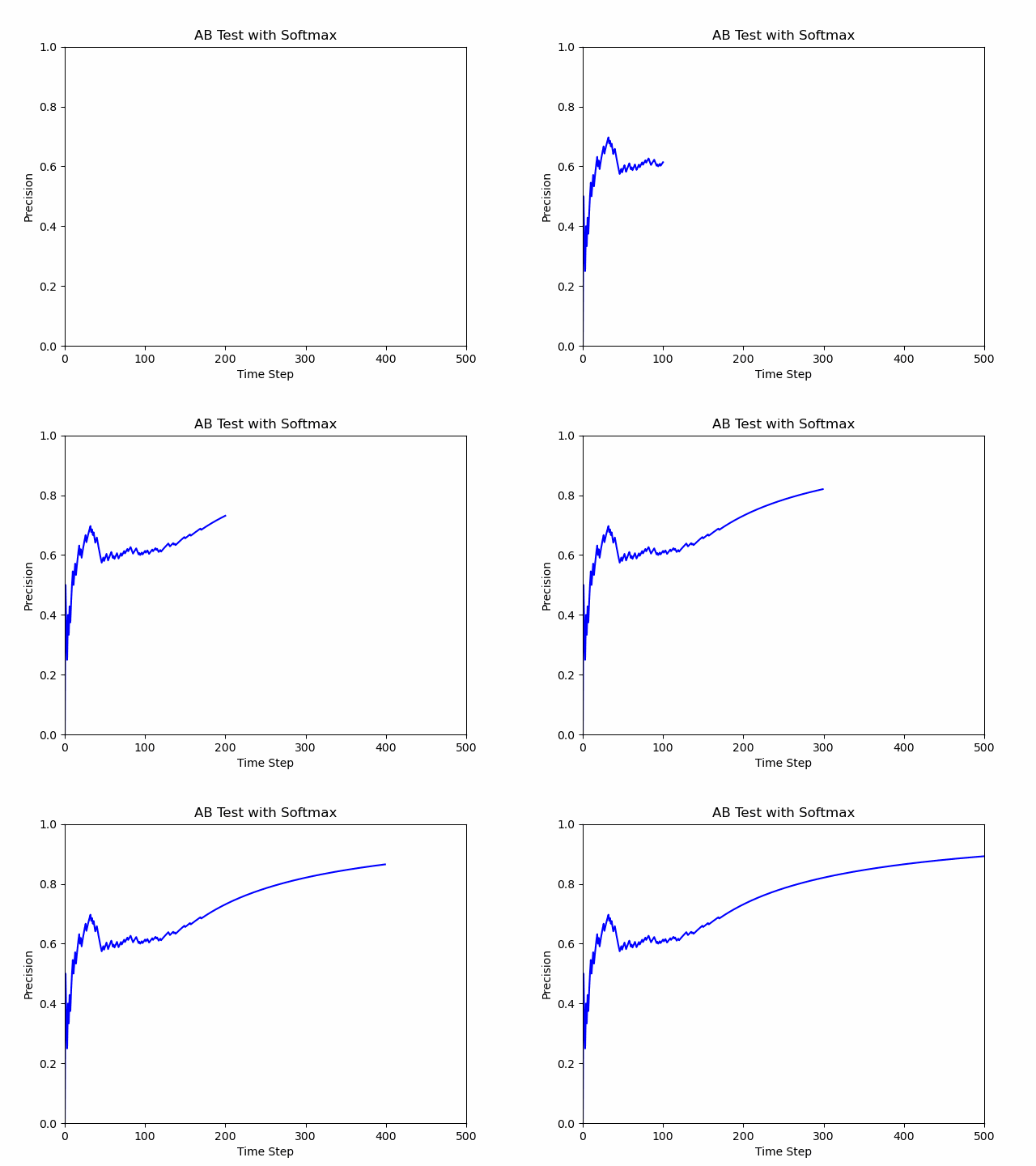
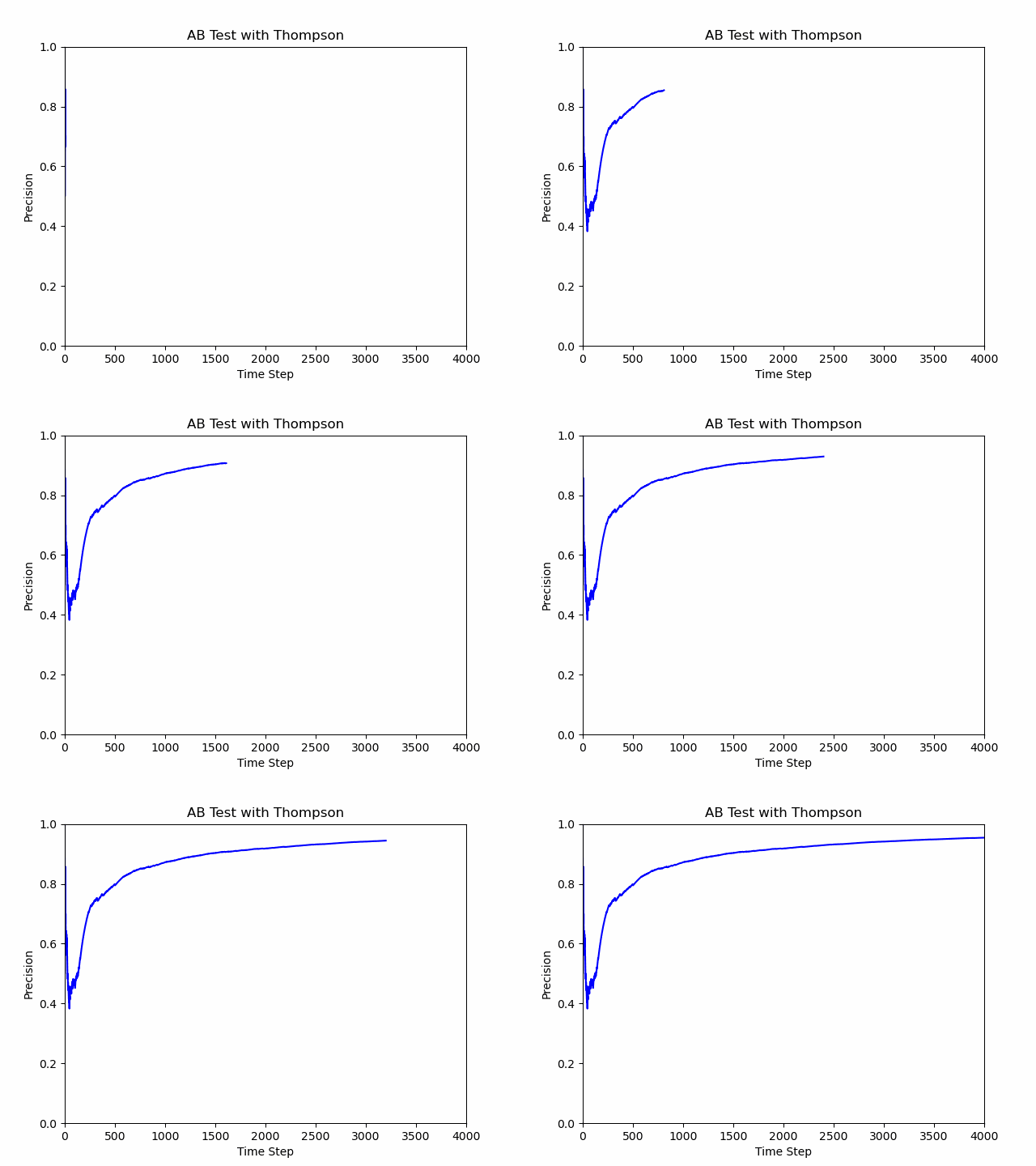
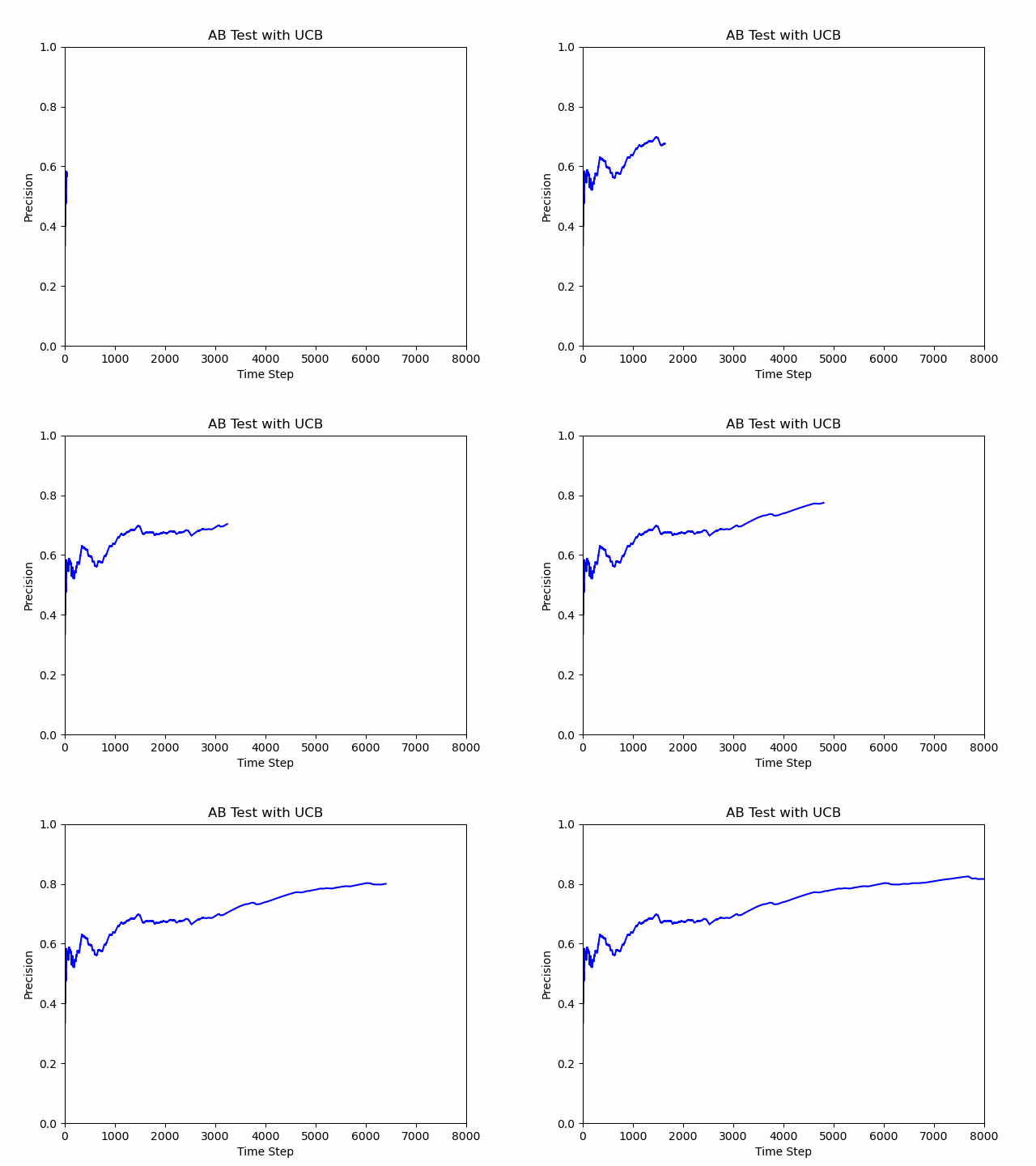
- x-axis: Number of impressions (new visitors)
- y-axis: Proportion of time the best design was displayed
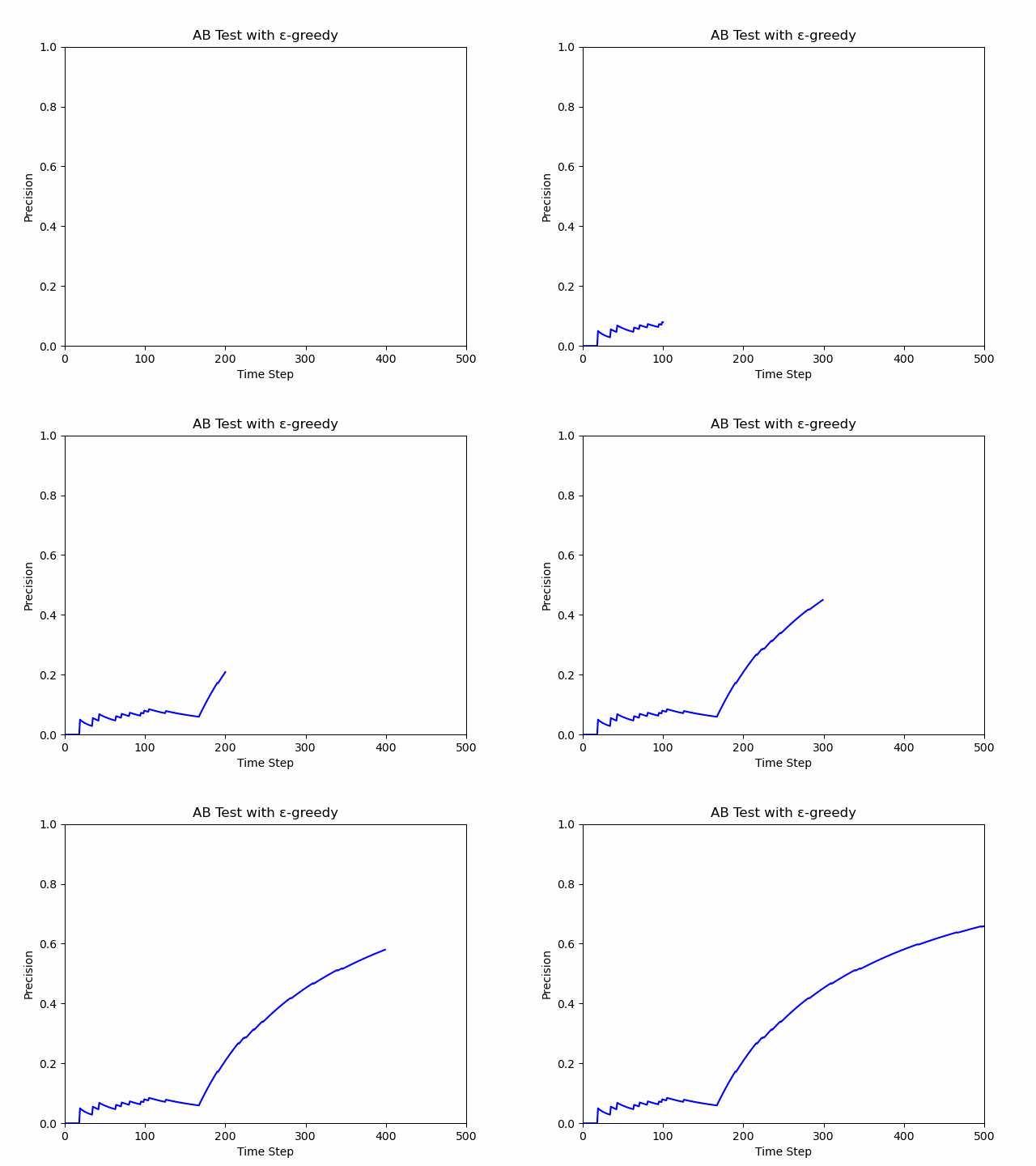
1. Epsilon-greedy
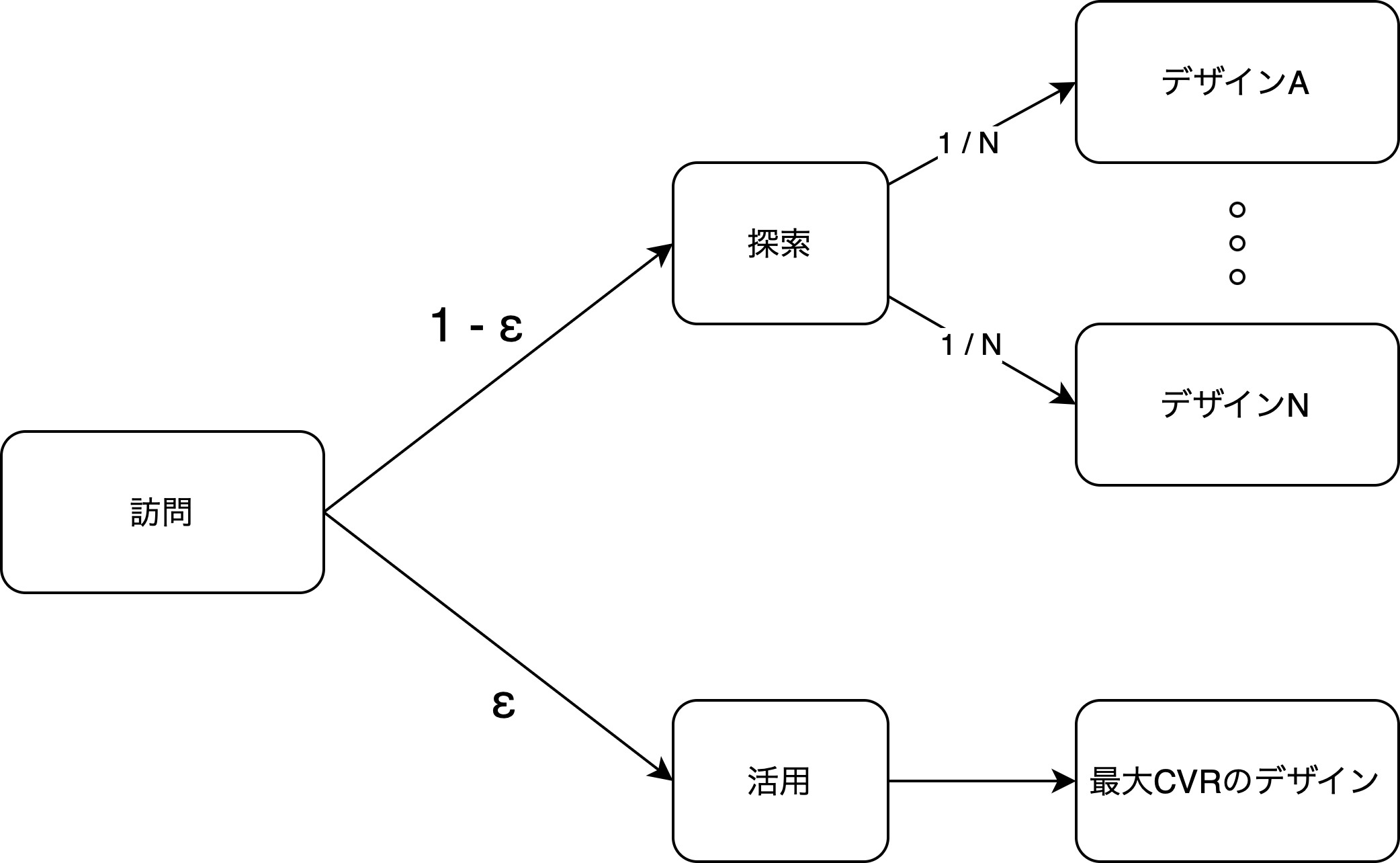
- With probability epsilon, explore
- Display a completely random design
- With probability 1-epsilon, exploit
- Display the current best design
- The best design is determined by the interim CVR of each design
- Epsilon is typically between 0.1 and 0.3
1. Epsilon-greedy
Epsilon-greedy
- Strong randomness
- Epsilon-dependent
2. Softmax
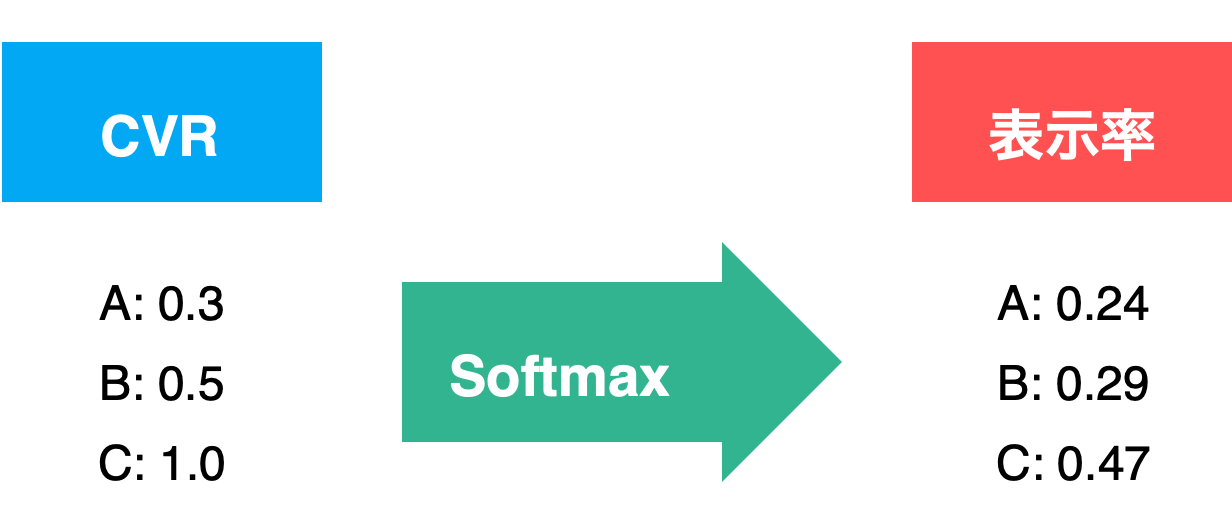
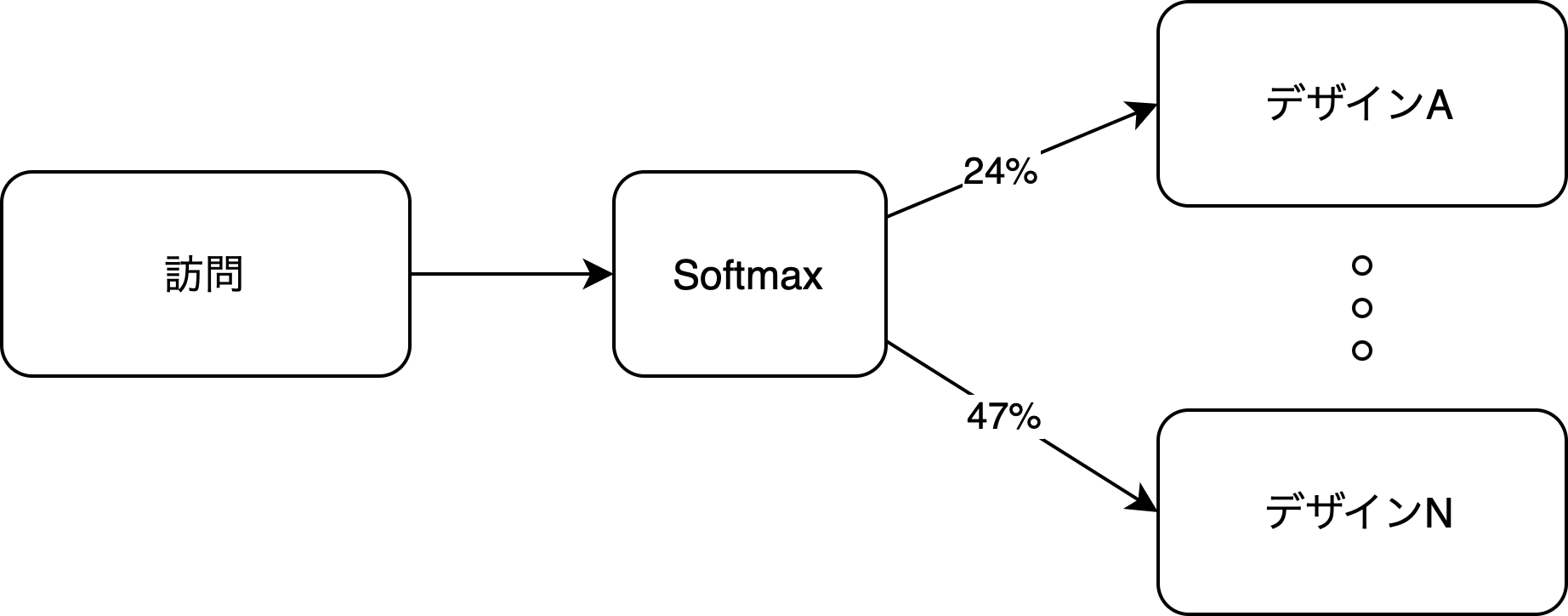
- Selects designs probabilistically based on each design's interim CVR
- Designs with higher CVR have a higher probability of being selected
- Reduces wasteful exploration
2. Softmax
- A function that converts any collection of numbers into probabilities
2. Softmax
- Epsilon-greedy tests all designs equally
- Softmax preferentially tests designs with higher expected values
Softmax
- Fast convergence
3. Thompson Sampling
- Estimates the CVR for each design using Bayesian estimation to create distributions, then samples to select a design
- Overcomes the weaknesses of Softmax
- The serious approach used by SEO companies and the like
3. Thompson Sampling
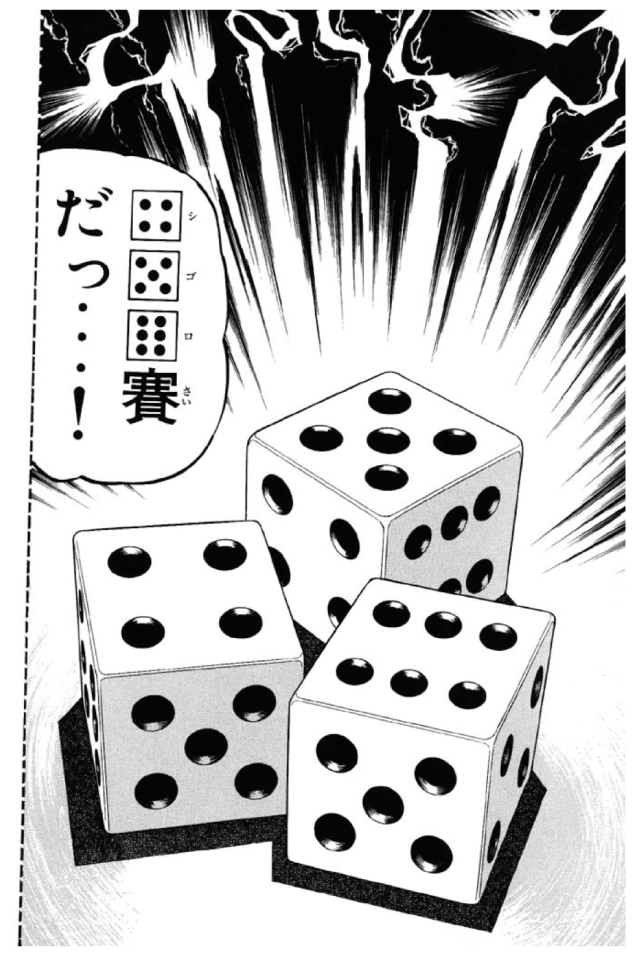
- Create a loaded die for each design based on its CVR
- Designs with higher CVR get better dice
- Roll the dice and select the design with the highest roll
- Update the CVR and dice after each design display
3. Thompson Sampling
- Bayesian estimation will be covered another time
- Softmax treats and as equal CVRs, but the latter is less likely to deviate from
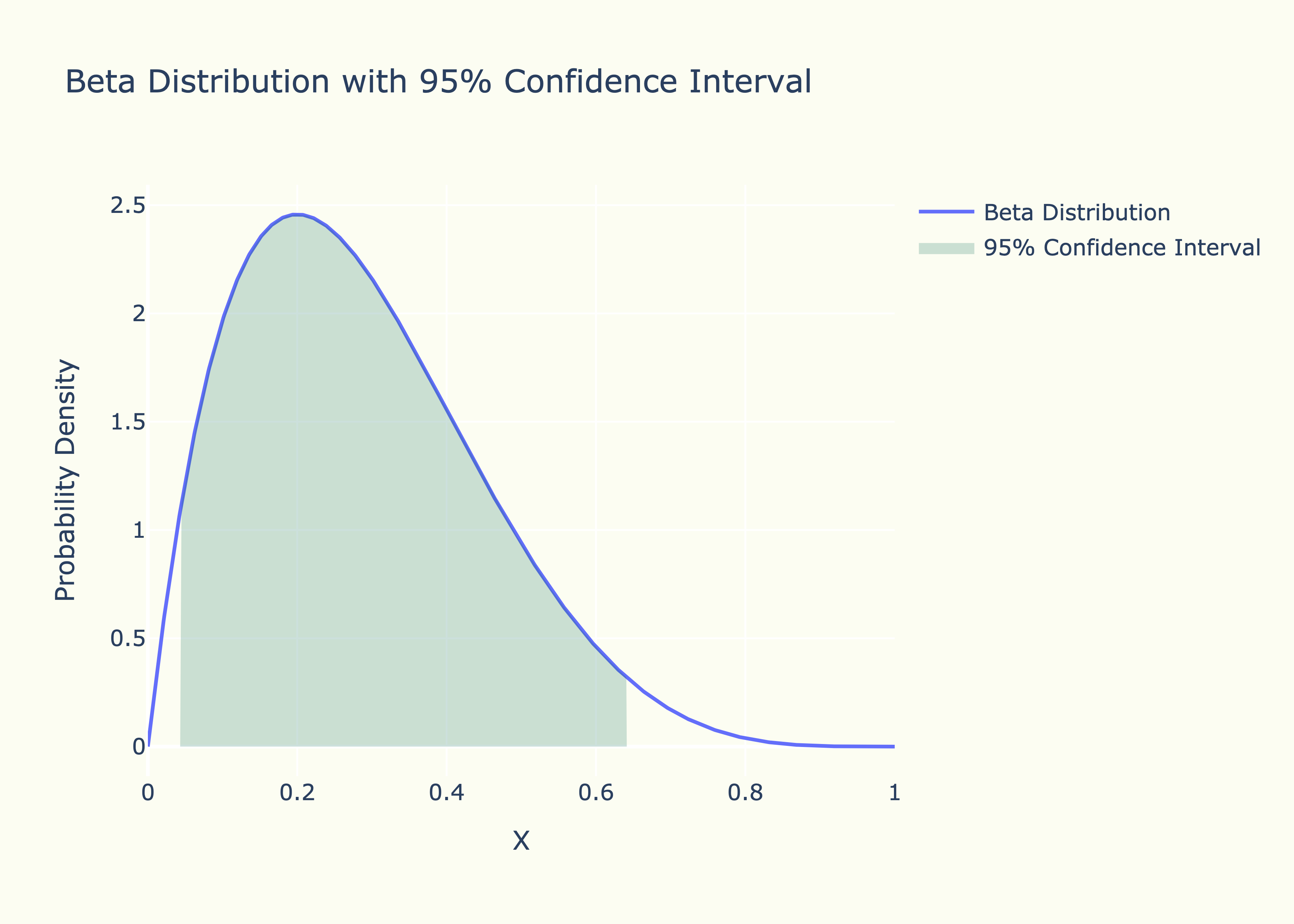
- Thompson Sampling produces different dice behavior even for the same CVR when the number of trials differs (Beta distribution)
Thompson Sampling
- Slower convergence
- Higher stability
4. UCB1
- Selects designs using confidence intervals
- No randomness
- Overcomes the weaknesses of Softmax
4. UCB1
- Confidence interval: The range in which the true value of a prediction is likely to fall
- Compute the confidence interval of the CVR for each design and display the design with the highest upper bound
UCB1
- More wasteful exploration
- No tuning required
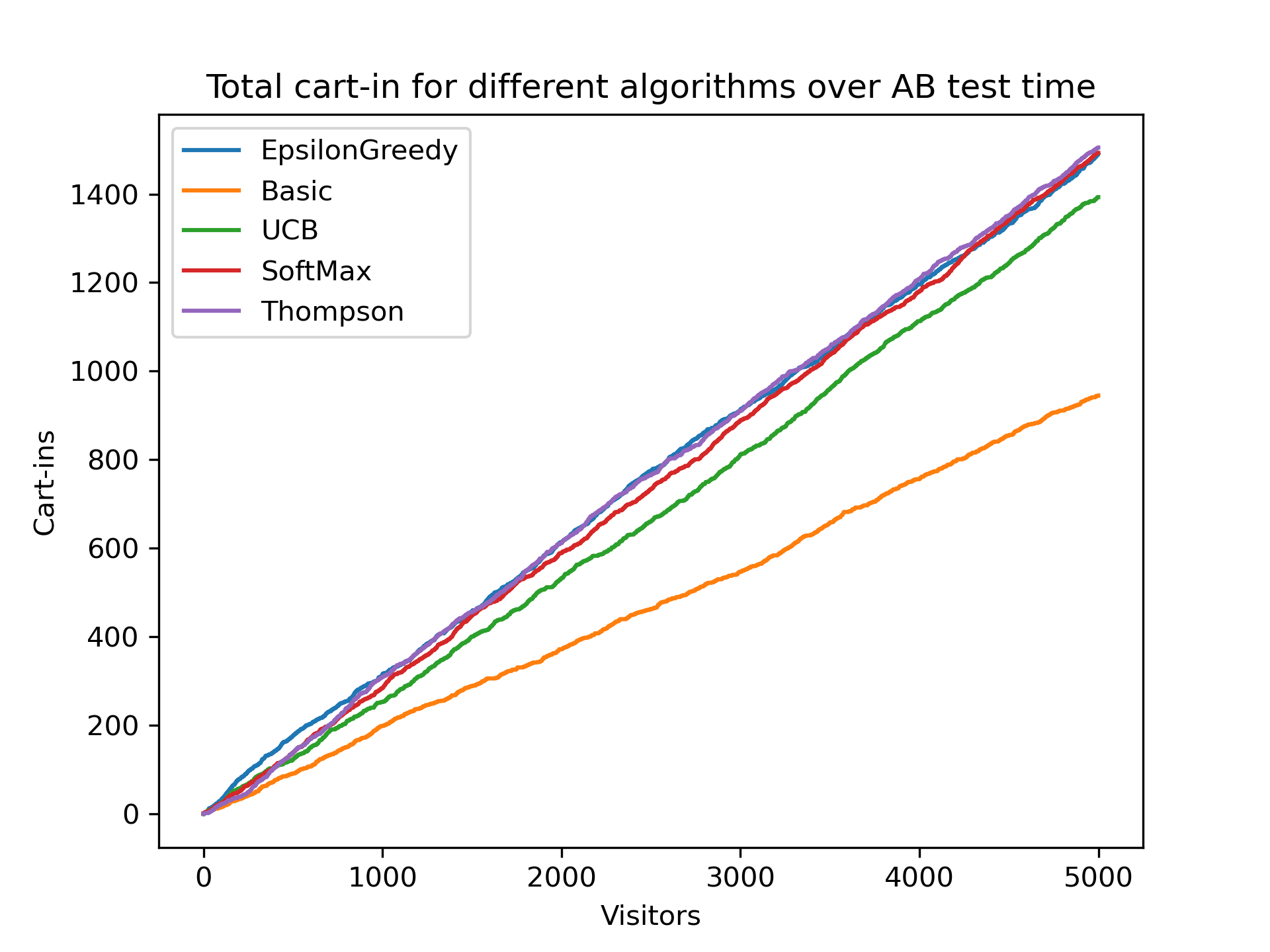
What About Losses?
How much cumulative conversion was gained compared to displaying A/B at 50% each as in standard A/B testing?
Advantages of Bandit
- Converges to the optimal design fastest
- Can be simulated in advance
- Required sample size (duration) is known
- Expected losses are known
Disadvantages of Bandit
- Requires integration with data sources
- Does not converge when there is no difference in CVR (becomes standard A/B testing)
- Requires parameter tuning
Summary
- Problems with conventional A/B testing
- How to determine the test duration
- Potential for losses during the test period
- A/B testing with reinforcement learning
- Shortest test period
- Continuously displays the optimal design
Next time, we will introduce
Component-level CVR Impact Analysis
using logistic regression